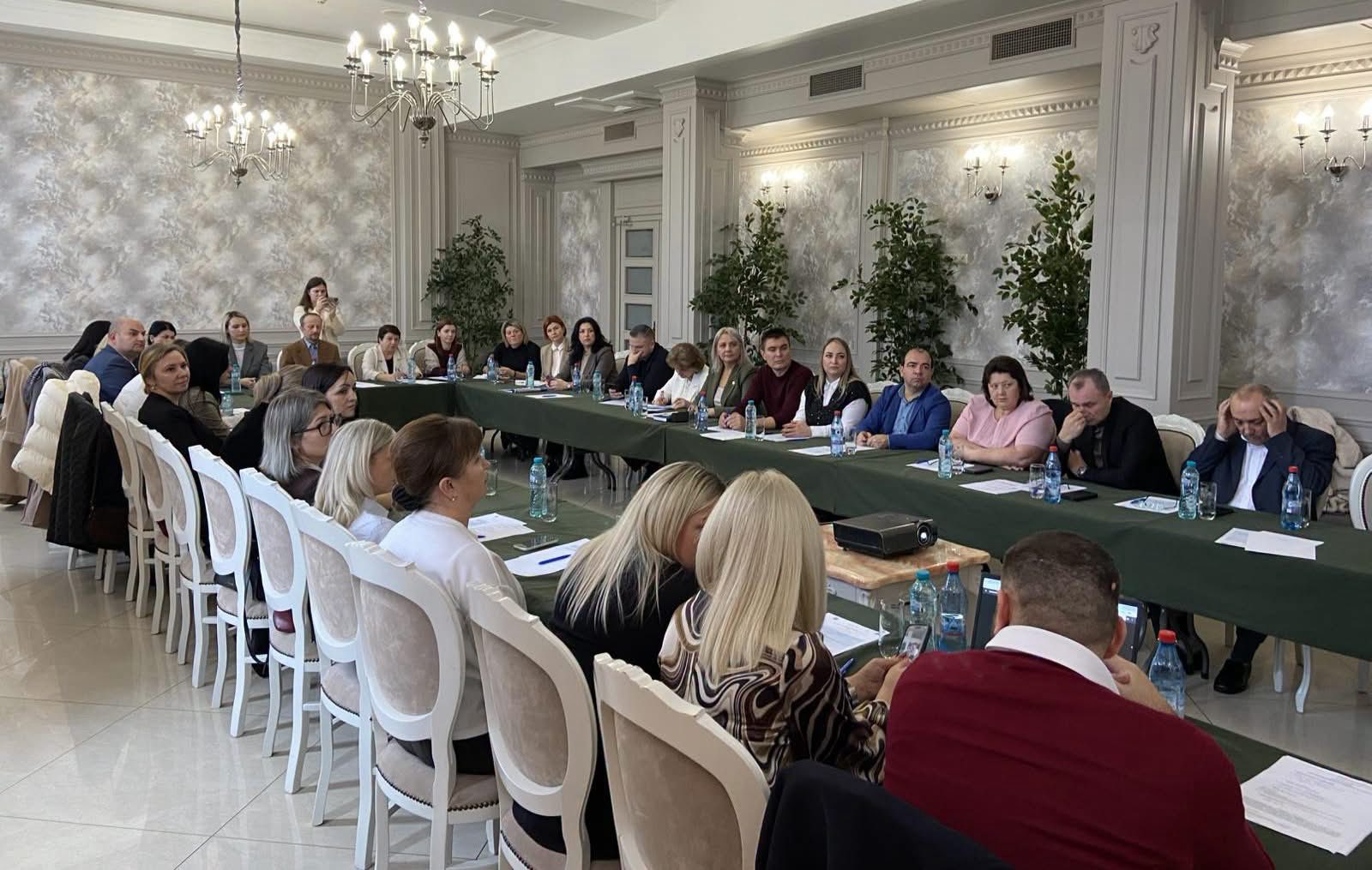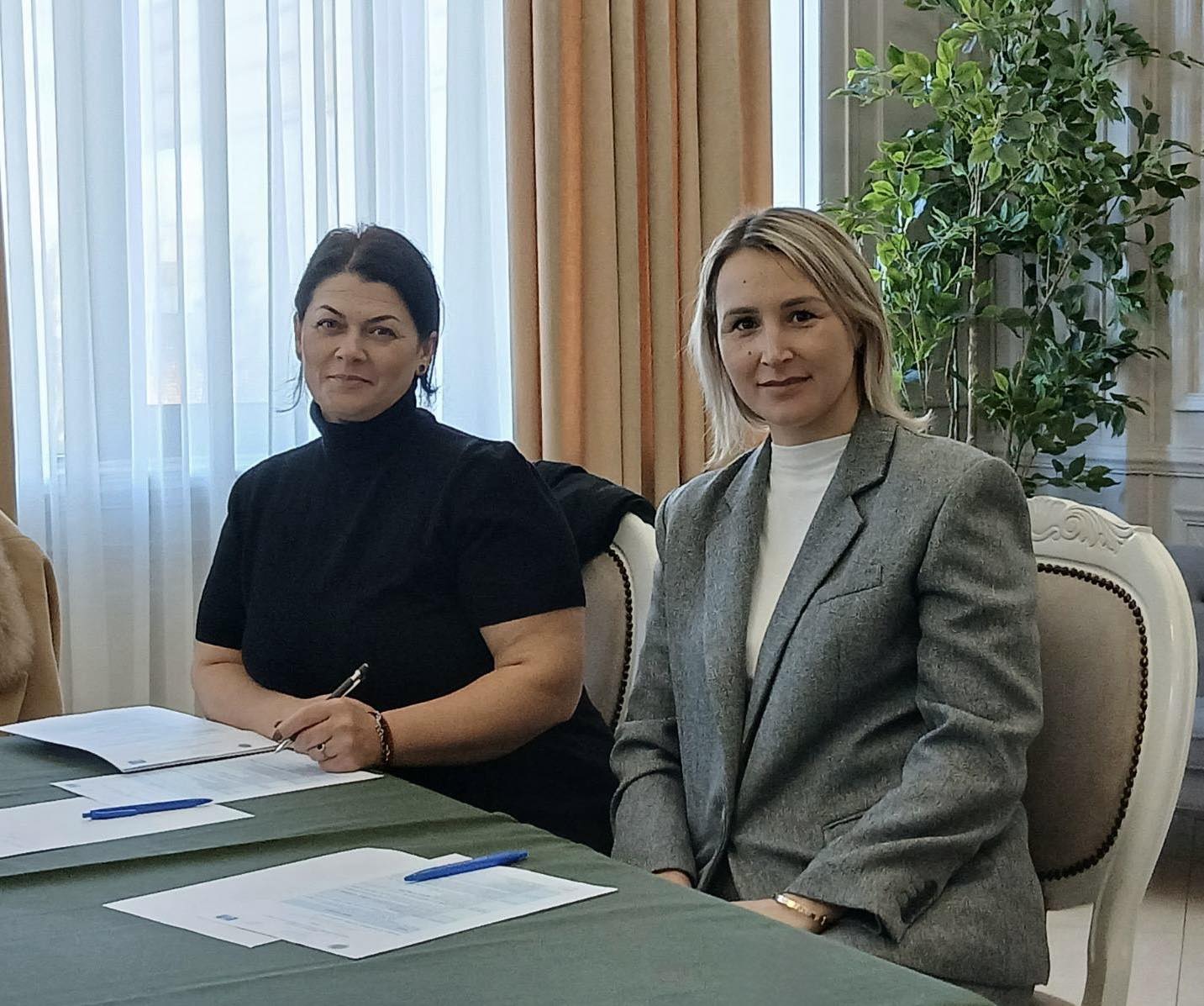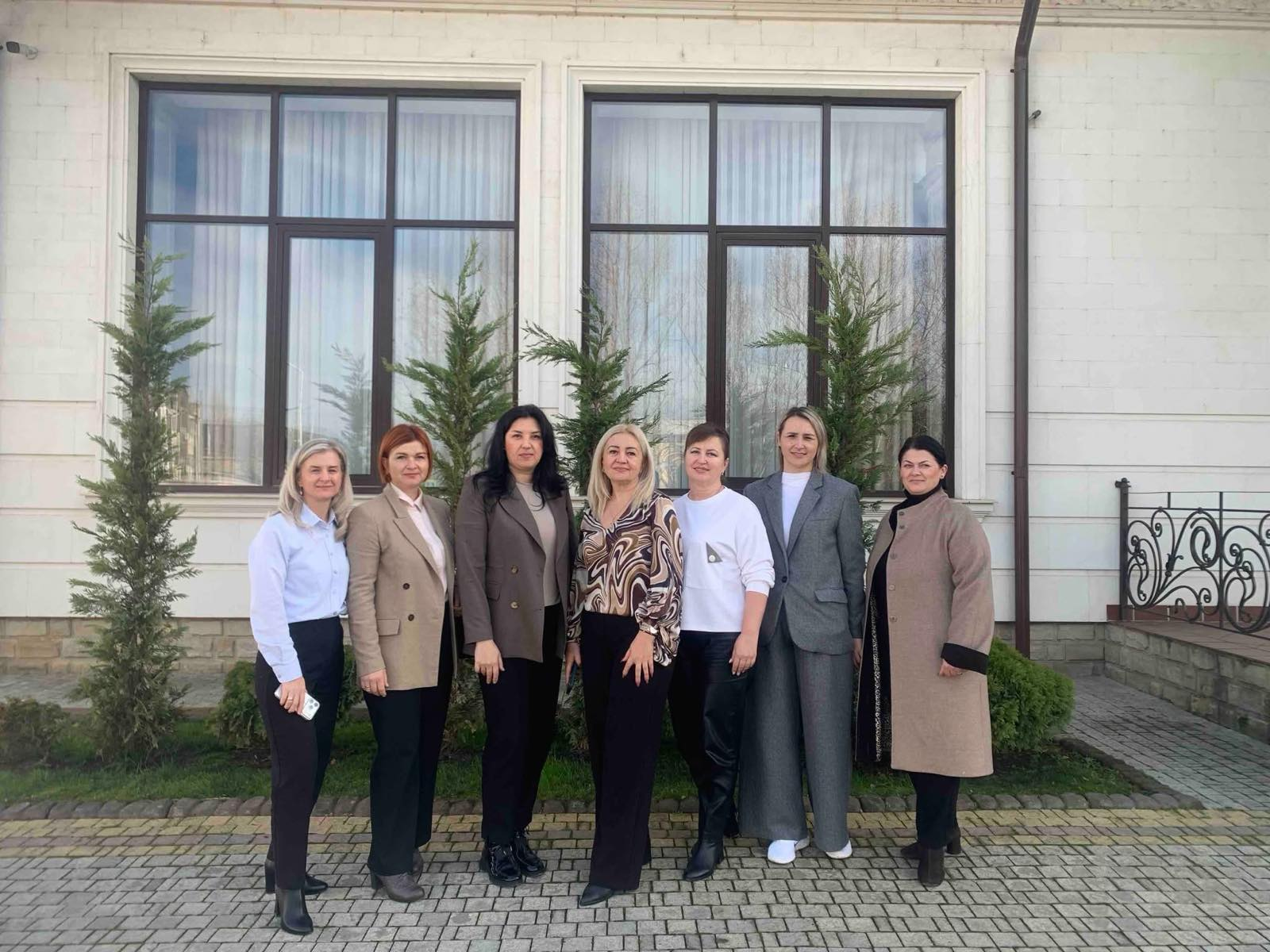

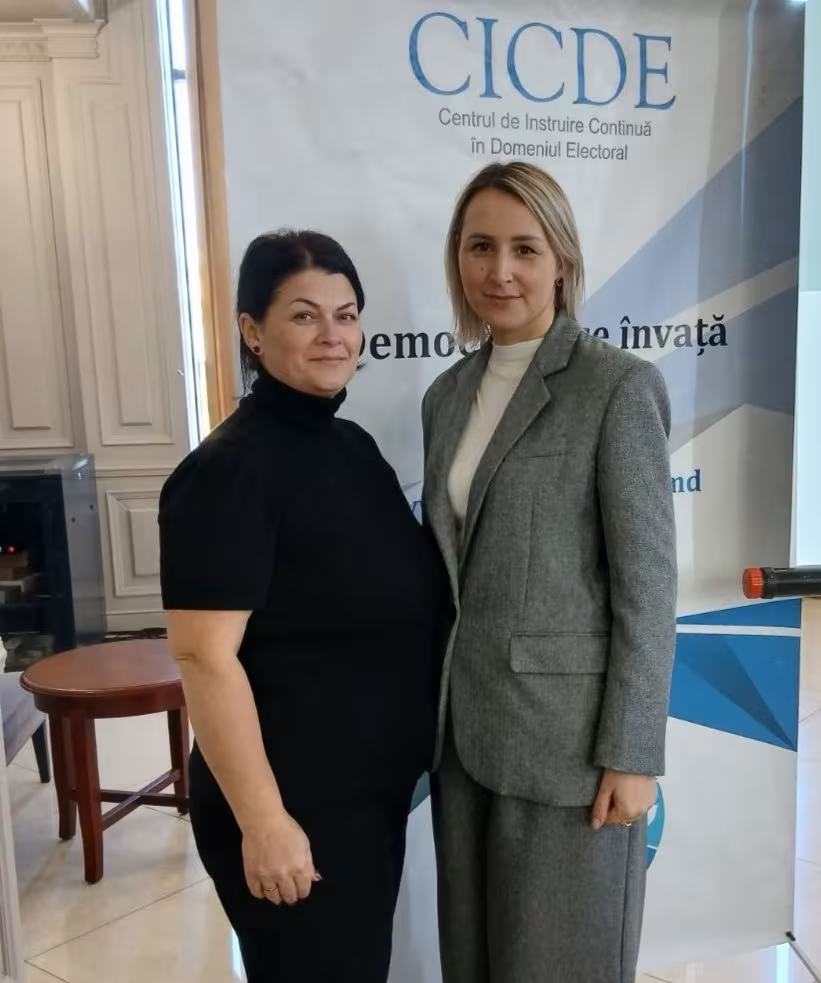
On November 18, 2026, the chairwoman of the electoral council of the Glodeni district electoral constituency No. 19, Hanganu Mariana, alongside local trainer Ghidici Nina, participated in the training seminar titled "Institutional Resilience and Electoral Integrity," held in the municipality of Bălți.
The activity was organized by the I.P. Continuous Training Center in the Electoral Field (CICDE), in collaboration with the Central Electoral Commission and with the support of the Council of Europe. The seminar trainer was Mrs. Mariana Kalughin, consultant of the Council of Europe.
During the training, important topics were addressed to ensure integrity and strengthen institutional resilience in the electoral field, analyzing both theoretical aspects and the relevant national regulatory framework.
Among the main topics discussed were:
the causes, consequences, and forms of corruption, as well as the tools and methods for its prevention and combating;
the causes, consequences, and forms of corruption, as well as the tools and methods for its prevention and combating;
national integrity standards, in light of the Constitution of the Republic of Moldova, Electoral Code No. 325/2022, Integrity Law No. 82/2017, and other relevant normative acts;
national integrity standards, in light of the Constitution of the Republic of Moldova, Electoral Code No. 325/2022, Integrity Law No. 82/2017, and other relevant normative acts;
the principles and norms of conduct for electoral officials, incompatibilities, and restrictions applicable in the exercise of service duties;
the principles and norms of conduct for electoral officials, incompatibilities, and restrictions applicable in the exercise of service duties;
measures to ensure the integrity of electoral officials;
measures to ensure the integrity of electoral officials;
forms of administrative, contraventional, and criminal liability for violating integrity standards.
A particular emphasis was placed on the role of electoral officials in preventing integrity risks, adhering to conduct norms, and responsibly exercising duties at all stages of the electoral process.
Participation in such training activities contributes to strengthening professional competencies, developing an institutional culture based on integrity, responsibility, and transparency, as well as promoting high standards of professionalism in the administration of electoral processes.
Electoral integrity is not only a legal obligation but also an essential condition for the credibility of electoral institutions and the strengthening of citizens' trust in the democratic process.
This text was translated using machine translation using AI translator based on OPENAI