
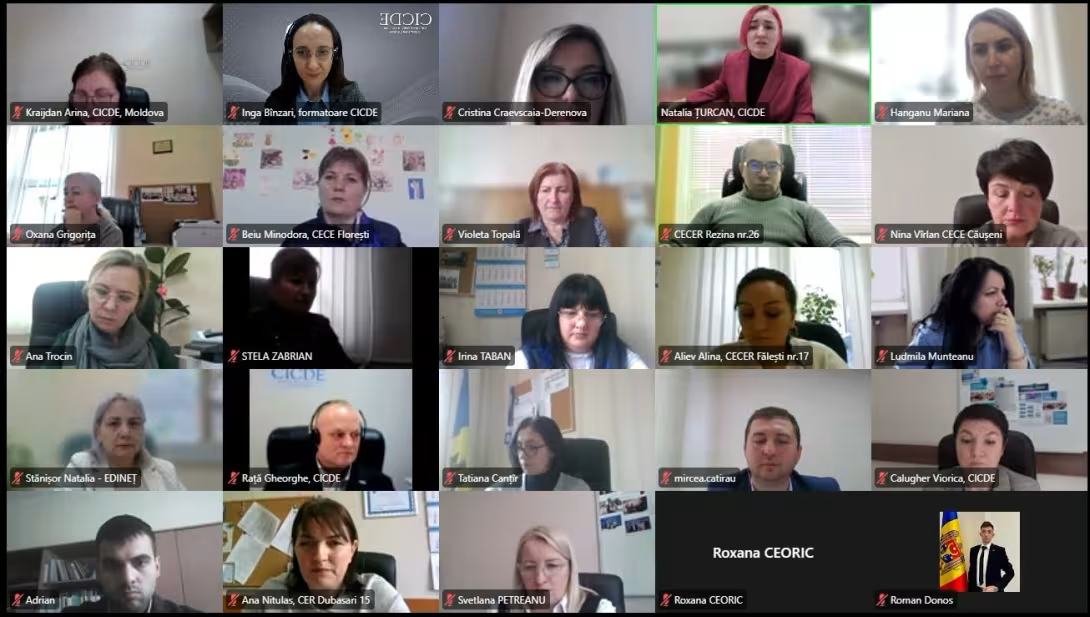
On November 13, 2026, Roxana Ceoric, the chairperson of the Electoral Council of the Leova District Electoral Circumscription No. 22, participated online in the international scientific conference "Towards Quality Democracy through Electoral Research," organized by the Public Institution "Continuous Training Center in the Electoral Field" (CICDE).
The event brought together approximately 60 researchers, university staff, experts, and specialists in the electoral field from the Republic of Moldova and abroad, providing a platform for dialogue and exchange of experiences regarding the challenges affecting electoral and democratic processes, as well as the necessary solutions for strengthening democratic integrity and resilience.
During the opening session, Mircea Catîrău, a member of the Central Electoral Commission, and Natalia Țurcan, interim director of CICDE, highlighted the importance of electoral integrity as an essential dimension of democratic resilience.
The first session, titled "Democratic Resilience in Electoral Processes," moderated by Arina Kraijdan, PhD in History and coordinator of the CICDE research program, addressed the risks that may affect the fairness of elections and the capacity of institutions to prevent and manage them.
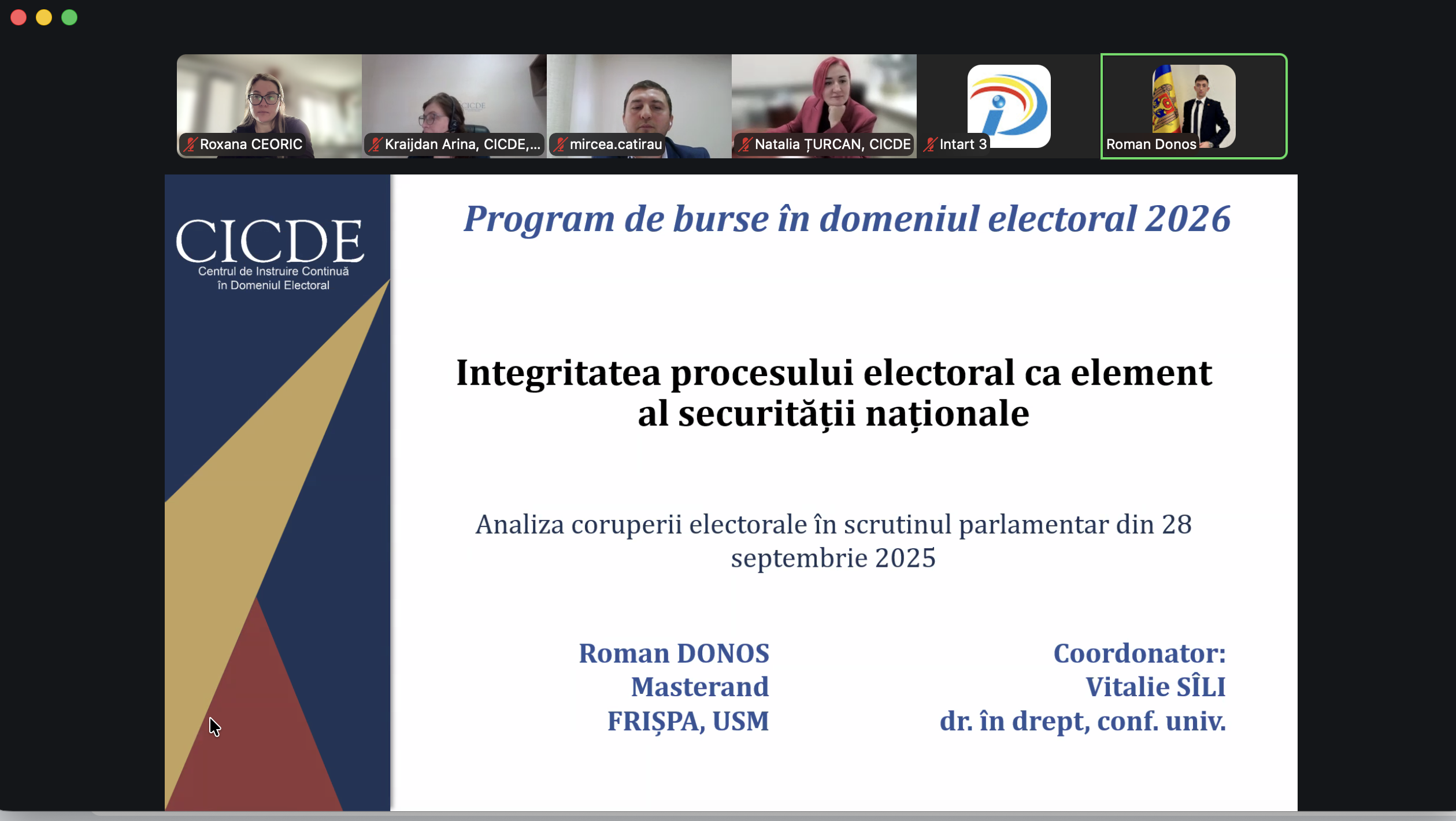
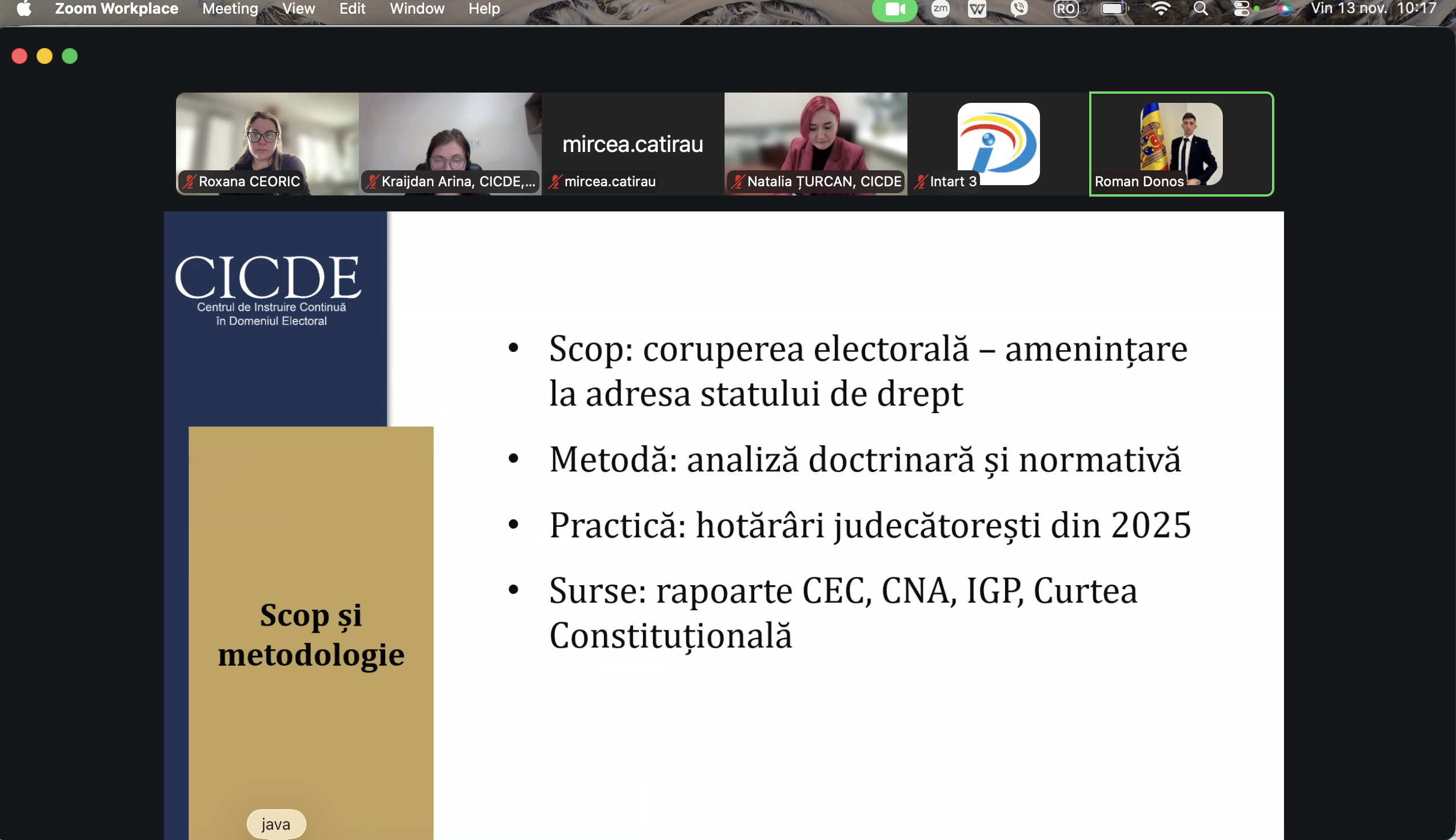
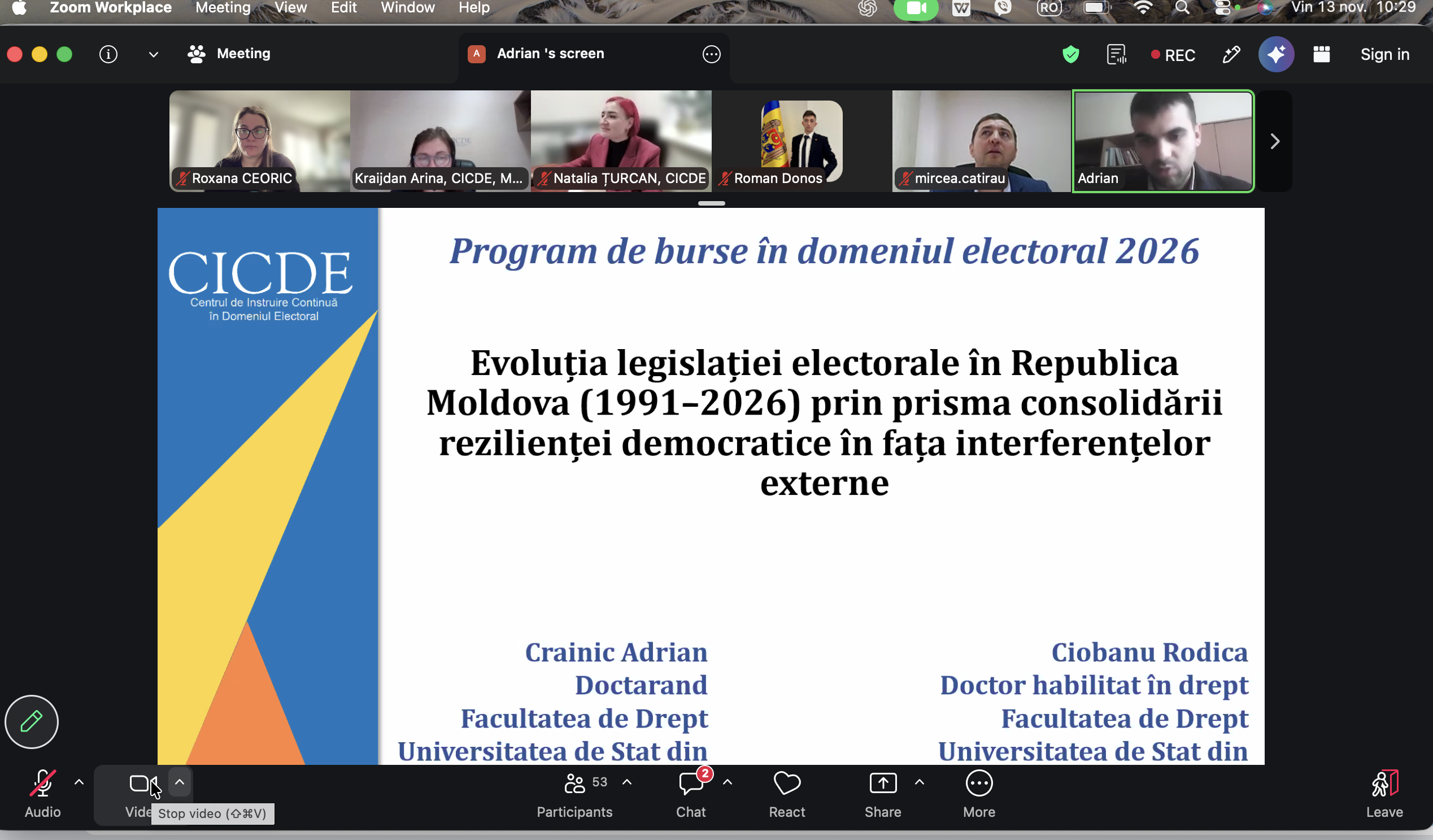
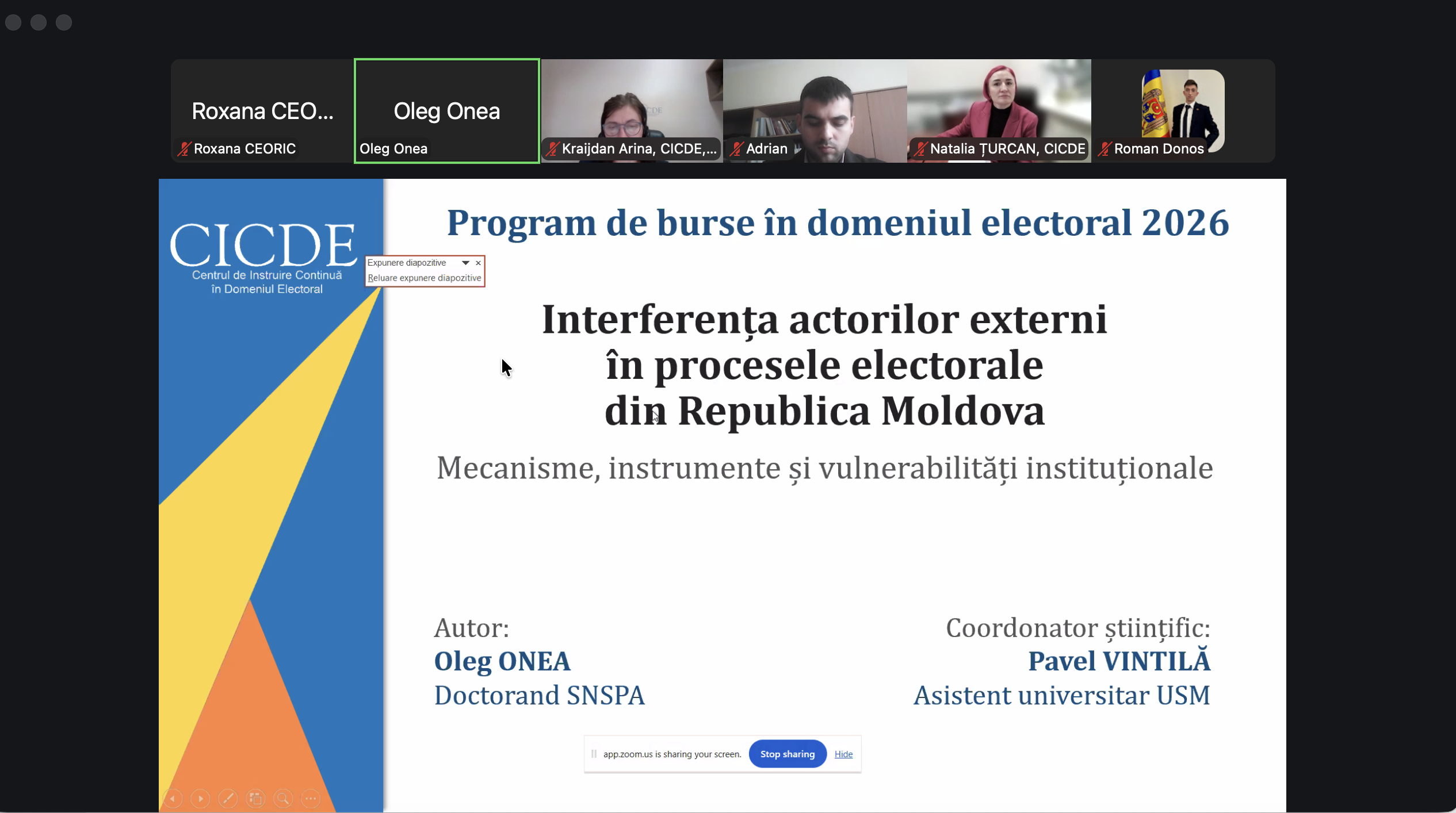
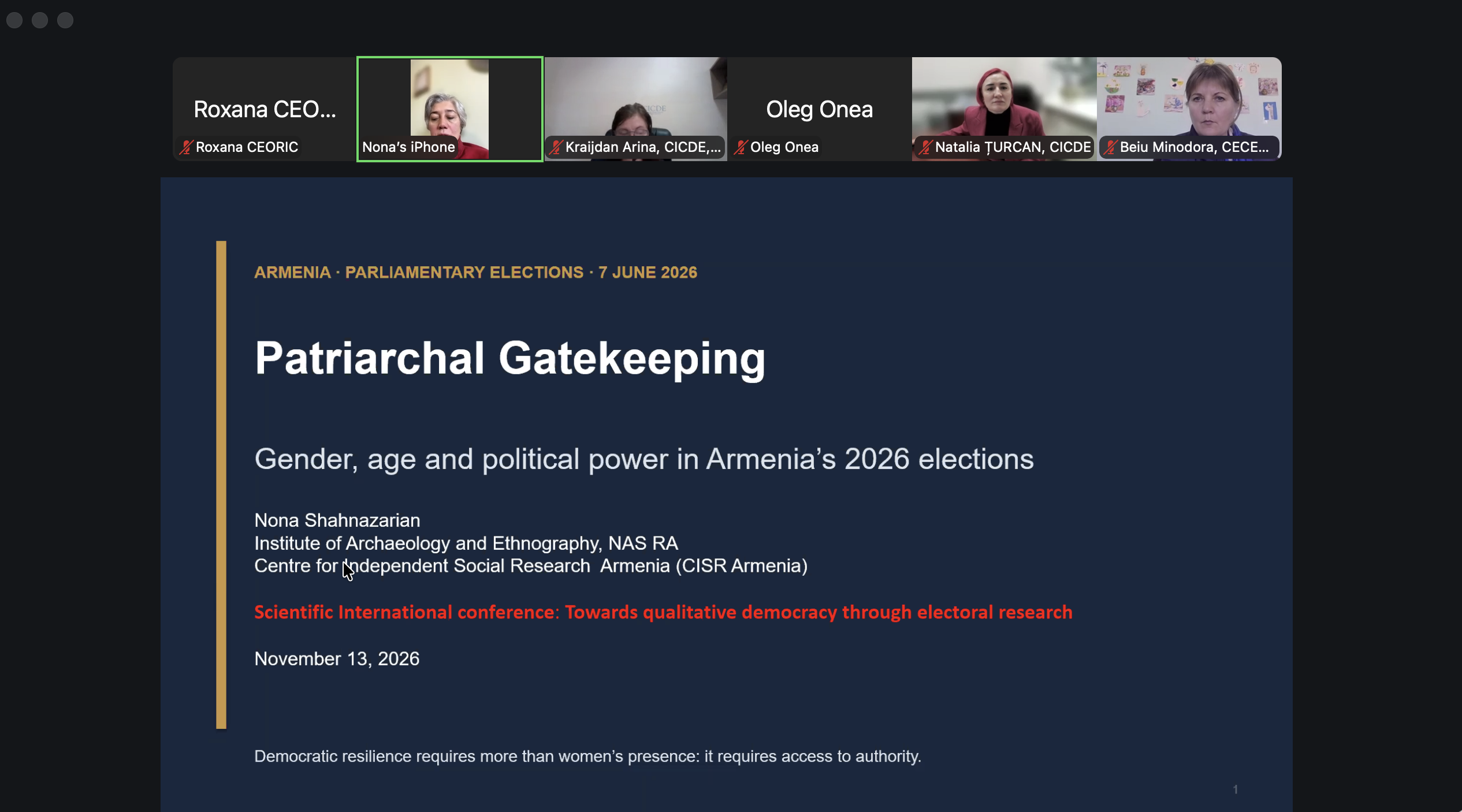
Among the topics presented were the analysis of electoral corruption in the context of the parliamentary elections in the Republic of Moldova in 2025, the evolution of electoral legislation from 1991 to 2026, the interference of external actors in electoral processes, and the institutional vulnerabilities associated with this phenomenon. The gender dimension in the parliamentary elections in Armenia in 2026 was also discussed.
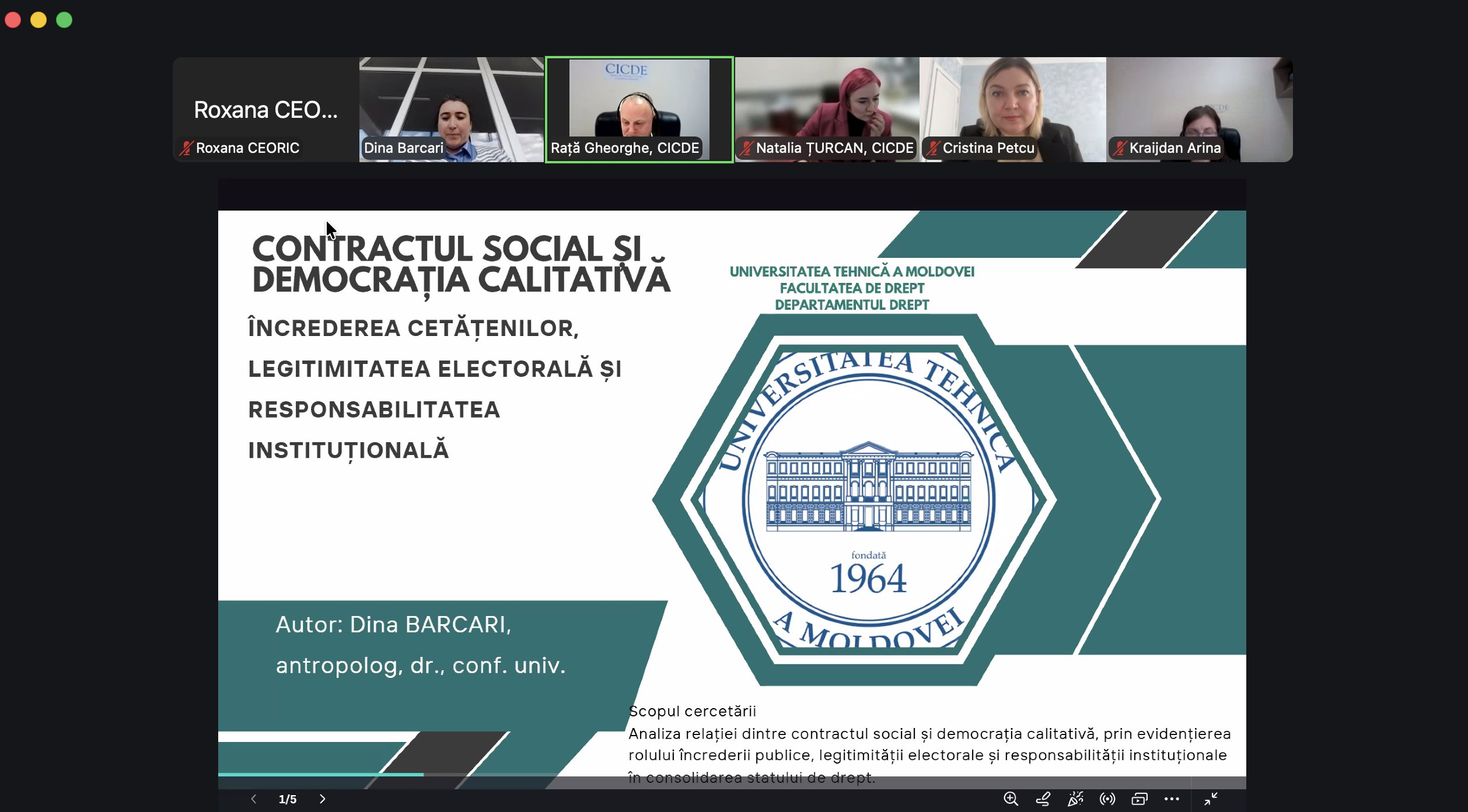
The second session, "Electoral Lessons - Historical and Comparative Aspects," moderated by Gheorghe Rață, PhD in History and CICDE trainer, discussed the relationship between citizen trust, electoral legitimacy, and institutional accountability, as well as the contribution of historical and international experiences to the understanding of contemporary democracy.
A particular topic was the research on violations of electoral legislation and the mechanisms of political propaganda in Gagauz villages in southern Bessarabia, in the context of local elections in the 1930s. The analysis highlighted that issues such as the integrity of electoral lists, post-electoral disputes, and party mobilization represented challenges even in earlier historical periods.
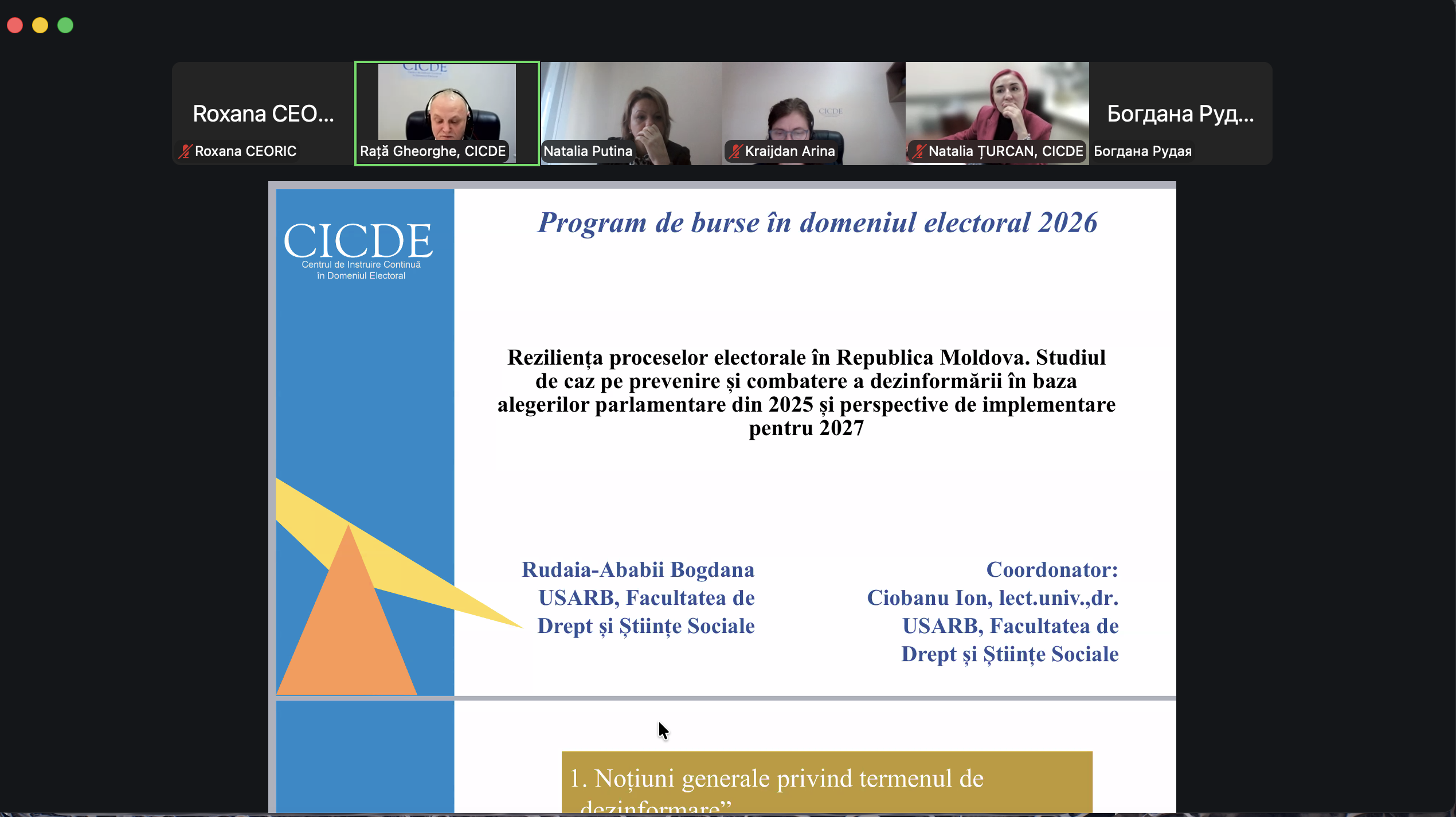
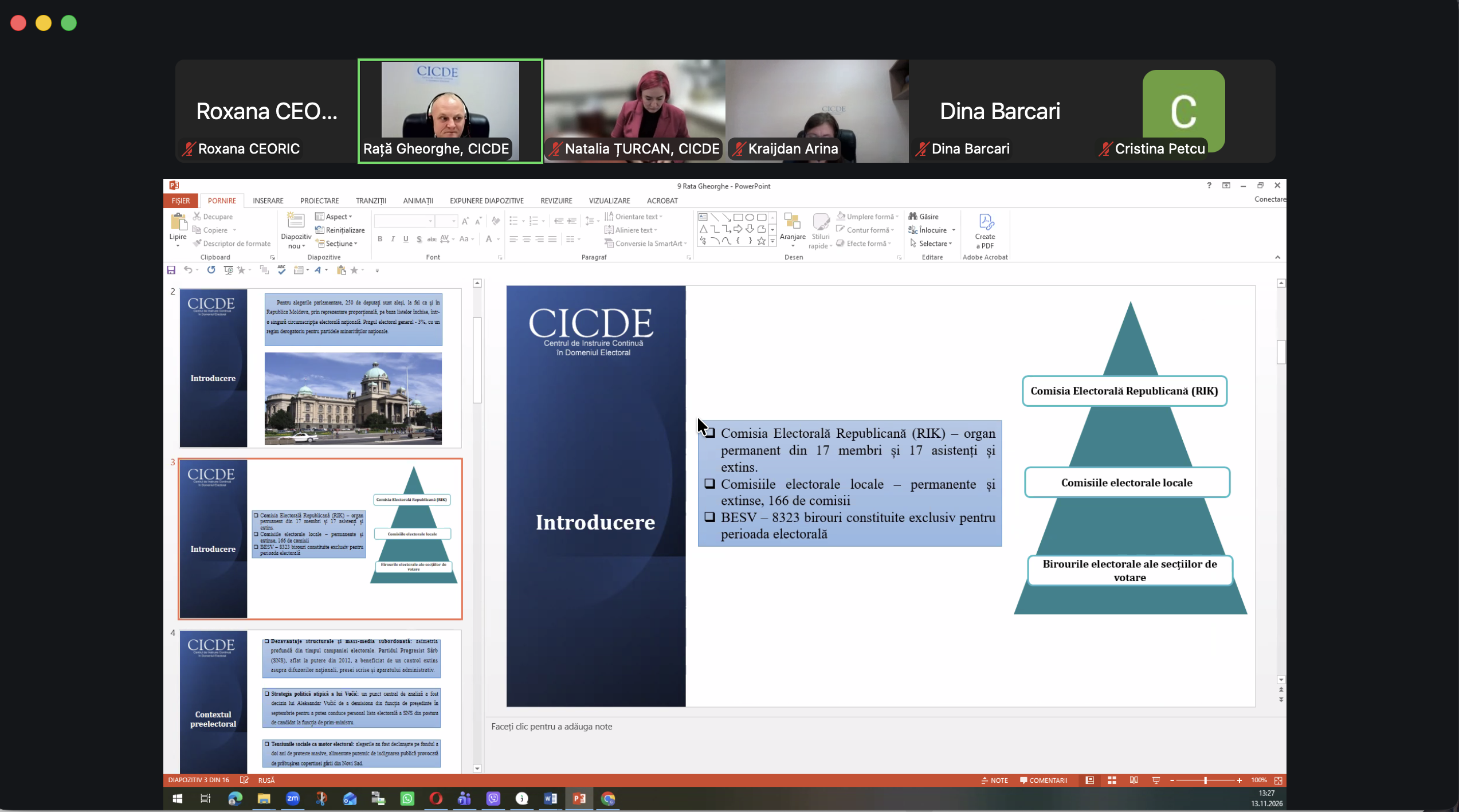
Other presentations focused on the resilience of electoral processes and combating disinformation based on the experience of the parliamentary elections in 2025, lessons from the same election from the perspective of electoral resilience, as well as the role of youth in democratic change in Serbia. Additionally, alternative methods of exercising the right to vote in the Republic of Moldova were analyzed, including voting by mail and digital solutions, highlighting both the opportunities and risks associated with their implementation.
Discussions during the conference emphasized that democratic resilience is not built solely on election day, but requires responsible institutions, a legislative framework adapted to new risks, protection of the informational space, and active involvement of society. At the same time, citizen trust remains one of the fundamental resources of democracy, and its strengthening depends on the quality of institutions and their accountability to society.
Participation in this conference provided the opportunity to learn about the results of recent research, to follow academic and practical approaches to electoral challenges, and to delve into relevant topics for the activities of the electoral administration.
By organizing the conference, CICDE promotes dialogue between the academic environment and practitioners in the electoral field, leveraging scientific research as a tool for identifying vulnerabilities and strengthening democratic resilience.